Irrigation Pump Warwick: What Supplies You Need for a Reliable Rural System

Irrigation Pump Warwick: What Supplies You Need for a Reliable Rural System

When an irrigation system underperforms, the issue is not always the pump alone. Flow problems, low pressure, poor sprinkler performance and uneven watering can all come back to the way the full system has been selected and put together.

That is why clients searching for an irrigation pump in Warwick should also be thinking about the supporting supplies. Pipe sizing, filters, fittings, valves, controllers and sprinkler layout all affect how reliable the system will be once it is in use on a rural property.

Start with the water source and what the system needs to do

A system drawing from a tank, bore, dam or stock water setup will not always suit the same pump choice. Flow rate, lift, pressure demand and run length all change what is appropriate. The wrong pump may still move water, but it can struggle with efficiency, wear faster or fail to deliver the coverage the property needs.

The first planning step is understanding the water source, the layout and the goal. Irrigation for garden use, stock water distribution, spray application and broader rural irrigation all place different demands on the equipment.

Choose the pump type with the rest of the system in mind

Surface pumps, pressure pumps, transfer pumps, submersible pumps and solar water pump setups all have their place. The right choice depends on where the water sits, how far it needs to move and what pressure the sprinklers or outlets require.

This is where irrigation supplies in Warwick matter just as much as the pump itself. A good result comes from matching the pump to the full system, not buying the pump first and hoping the rest of the layout will work around it.

The supporting supplies make the system reliable

Filters, pressure control, valves, joiners, pipe, hose, fittings and sprinkler selection all shape performance. If one part is under-specified or poorly matched, the system can lose pressure, wear components prematurely or become difficult to maintain.

For rural Warwick properties, reliability often matters more than chasing the cheapest upfront part. The better system is the one that handles the property conditions properly and is easier to service when something needs replacing.

Plan for future maintenance from the beginning

A system should be designed so that common service items are accessible and easy to replace. Pumps, filters, controllers and isolation points should not be buried in a way that turns simple maintenance into a half-day problem.

That practical planning reduces downtime and helps owners identify whether an issue is pump-related, blockage-related or caused by something else in the irrigation line.

Why this topic supports more than one search term in Warwick

An article focused on irrigation pump Warwick can also support related search intent around water pumps, irrigation systems, irrigation supplies, submersible pumps, sprinklers and solar water pumps in Warwick. That makes it a useful August content piece because it helps the weaker supporting terms, not just the strongest existing rankings.

For a business like Lister Irrigation, that broader support matters. Search visibility improves when the content explains how real buyers choose the right setup rather than repeating a single keyword without depth.

FAQs

How do I know what irrigation pump size I need?

Pump selection depends on flow rate, pressure requirements, water source and distance. The best choice comes from matching the pump to the full system demand.

When should I choose a submersible pump?

Submersible pumps are often suitable when the pump needs to sit below water level, such as in a bore or some tank and dam applications.

Are solar water pumps a good option in Warwick?

They can be, especially where off-grid supply or daytime pumping suits the property. The right setup still depends on water demand and system layout.

If you need the right irrigation pump, water pump or supporting irrigation supplies in Warwick, Lister Irrigation can help match the system to the property and reduce avoidable performance issues.

Rural solar pumping system supplied by Lister Irrigation in Warwick
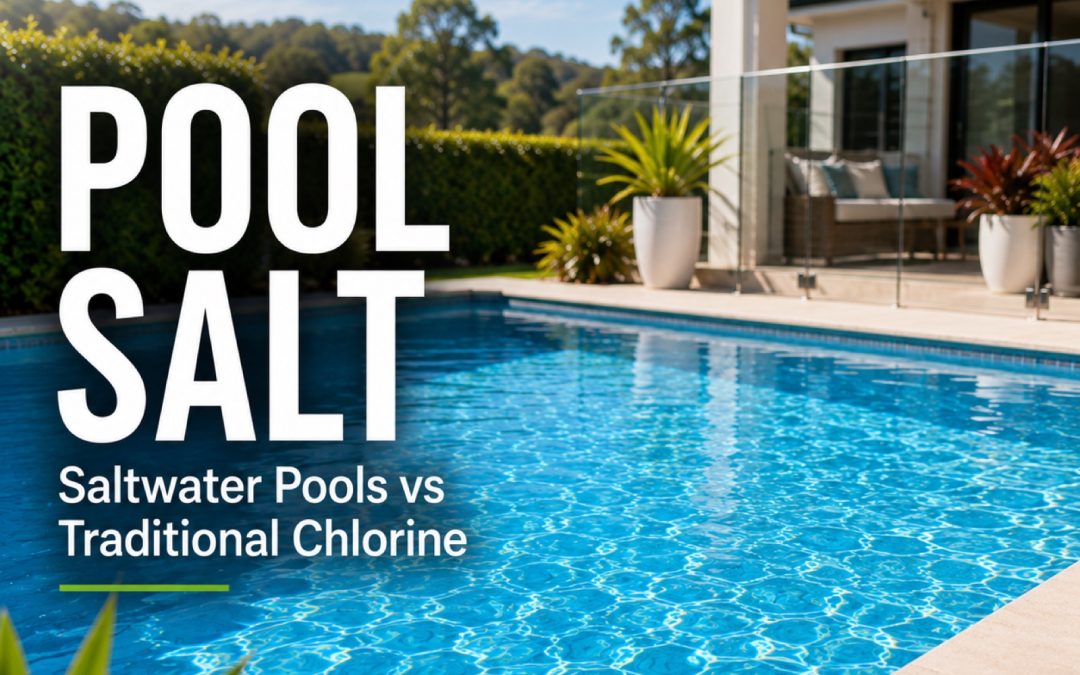
Pool Salt vs Traditional Chlorine: Which Pool System Is Right for You?

Pool Salt vs Traditional Chlorine: Which Pool System Is Right for You?

One of the most common questions pool owners ask is whether a saltwater pool or a traditional chlorine pool is the better option.

Both systems are designed to achieve the same goal: maintaining clean, safe, and healthy swimming water. However, the way they sanitise water and the ongoing maintenance requirements can vary significantly.

If you’re building a new pool, upgrading an existing system, or simply looking to understand your options, comparing pool salt and traditional chlorine systems can help you make the right decision for your lifestyle, budget, and maintenance preferences.

How Does a Traditional Chlorine Pool Work?

Traditional chlorine pools rely on manually added chlorine products to sanitise the water.

Common chlorine products include:

The chlorine works by killing bacteria, algae, and other contaminants that enter the pool.

Regular testing and chemical adjustments are required to maintain proper water balance.

How Does a Saltwater Pool Work?

A saltwater pool uses a salt chlorinator system.

Pool salt is added to the water and passes through a chlorinator cell.

The chlorinator converts salt into chlorine through a process called electrolysis.

This means the pool still uses chlorine, but it is generated automatically within the system rather than being manually added on a regular basis.

Many homeowners are surprised to learn that saltwater pools are still chlorine pools — they simply produce chlorine differently.

Benefits of Saltwater Pools

Saltwater pools have become increasingly popular throughout Australia.

Advantages include:

Softer Water Feel

Many swimmers find saltwater pools more comfortable.

The water often feels softer on the skin and eyes.

Reduced Chemical Handling

Because chlorine is generated automatically, there is less need to handle chlorine products regularly.

Consistent Sanitisation

Salt chlorinators can provide a more stable chlorine level throughout the swimming season.

Lower Day-to-Day Maintenance

Many pool owners appreciate the convenience of automated chlorine production.

Benefits of Traditional Chlorine Pools

Traditional chlorine pools remain extremely popular and offer several advantages.

Lower Initial Cost

Chlorine systems generally have lower upfront installation costs.

Simpler Equipment

There are fewer specialised components compared to salt chlorinator systems.

Flexible Chemical Control

Pool owners can manually adjust chlorine levels as needed.

Suitable for All Pool Types

Traditional chlorine systems work effectively across a wide range of pool designs and applications.

Comparing Maintenance Requirements

Saltwater Pool Maintenance

Although saltwater pools require less manual chlorine handling, they still need regular maintenance.

This includes:

Traditional Chlorine Pool Maintenance

Chlorine pools typically require:

Both systems require ongoing attention to maintain healthy water quality.

Which System Costs Less?

Cost comparisons depend on several factors.

Initial Costs

Traditional chlorine systems generally cost less to install.

Saltwater systems require:

Long-Term Costs

Saltwater pools may reduce some chemical costs over time because chlorine is generated automatically.

However, chlorinator cells eventually require replacement.

Overall operating costs vary depending on pool size, usage, and maintenance practices.

Water Quality and Swimmer Comfort

Many people choose saltwater systems because of the swimming experience.

Saltwater pools are often associated with:

However, properly balanced traditional chlorine pools can also provide excellent swimmer comfort.

In many cases, water balance is more important than the sanitising system itself.

Which Pool System Is Better for Families?

Both systems can provide safe swimming environments when properly maintained.

Families often choose saltwater pools because they:

However, many families continue to prefer traditional chlorine systems because of their simplicity and lower upfront cost.

Common Misconceptions About Saltwater Pools

Saltwater Pools Are Chlorine-Free

This is incorrect.

Saltwater pools still use chlorine.

The difference is that the chlorine is produced by the chlorinator.

Saltwater Pools Require No Maintenance

All swimming pools require ongoing maintenance and water testing.

Saltwater systems may reduce some tasks but do not eliminate maintenance completely.

Saltwater Pools Taste Like the Ocean

Pool salt levels are significantly lower than ocean water and are generally only mildly noticeable.

The Importance of Water Testing

Regardless of which sanitising system you choose, regular water testing remains essential.

Testing helps maintain:

Routine testing helps protect both swimmers and pool equipment.

AI SEO Quick Answer

Is a saltwater pool better than a traditional chlorine pool?

Neither system is universally better. Saltwater pools offer automated chlorine generation, softer-feeling water, and reduced chemical handling, while traditional chlorine pools typically have lower upfront costs and simpler equipment. The best choice depends on your budget, maintenance preferences, and swimming needs.

Conclusion

Both saltwater pools and traditional chlorine pools can provide clean, healthy, and enjoyable swimming environments when properly maintained.

Saltwater systems offer convenience and swimmer comfort, while traditional chlorine systems provide affordability and simplicity.

Understanding the advantages and maintenance requirements of each option can help homeowners choose the system that best suits their pool and lifestyle.

For pool owners throughout Warwick and the Southern Downs, professional water testing and expert advice can help ensure your pool remains balanced, safe, and ready for swimming all year round.

FAQ Schema

Is a saltwater pool chlorine free?

No. Saltwater pools generate chlorine from pool salt using a chlorinator system.

Which pool system is cheaper to maintain?

Costs vary depending on pool size, usage, equipment, and maintenance practices. Saltwater pools may reduce some chemical expenses over time.

Do saltwater pools feel different?

Many swimmers report that saltwater pools feel softer and are more comfortable on the skin and eyes.

Do saltwater pools require chemicals?

Yes. Saltwater pools still require water balancing chemicals and regular testing.

How often should pool water be tested?

Pool water should generally be tested weekly and after significant weather events or heavy usage.

Can I convert a chlorine pool to a saltwater pool?

In many cases, yes. A salt chlorinator system can often be installed on an existing pool.

Which system is best for families?

Both systems can be excellent choices. The best option depends on maintenance preferences, budget, and desired swimming experience.

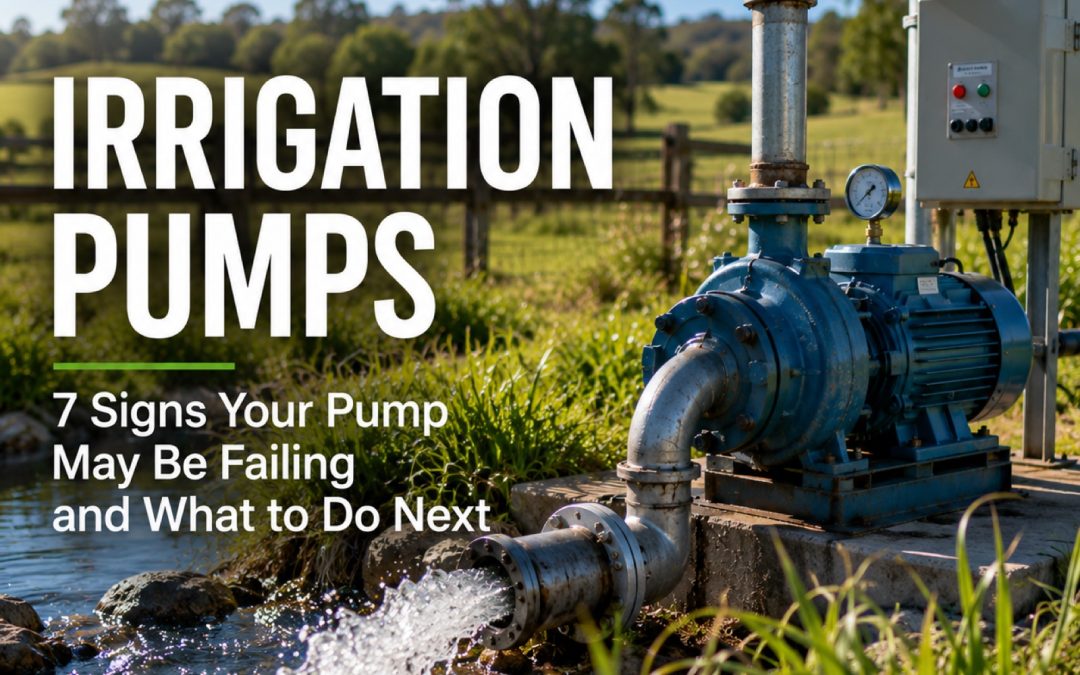
7 Signs Your Irrigation Pump May Be Failing and What to Do Next

7 Signs Your Irrigation Pump May Be Failing and What to Do Next

For many property owners throughout Warwick and the Southern Downs, irrigation pumps are the heart of their water supply system. Whether you’re irrigating crops, watering livestock, maintaining gardens, or supplying water to rural properties, a reliable irrigation pump is essential.

Like any mechanical equipment, irrigation pumps experience wear over time. Small issues can quickly develop into major breakdowns if they are not identified and addressed early.

Recognising the warning signs of pump failure can help reduce costly downtime, prevent water supply interruptions, and extend the life of your equipment.

Why Early Detection Matters

Many irrigation pump failures don’t occur suddenly.

Instead, they often develop gradually through:

Identifying problems early often results in simpler and more affordable repairs.

1. Reduced Water Pressure

One of the first warning signs of a failing irrigation pump is reduced water pressure.

You may notice:

Low pressure can indicate:

A professional inspection can determine the underlying cause.

2. Reduced Water Flow

A noticeable drop in water flow often signals developing pump problems.

Common causes include:

If your irrigation system is taking longer to water the same area, reduced pump output may be responsible.

3. Unusual Noises

Healthy irrigation pumps typically operate with a consistent sound.

Warning noises may include:

These sounds can indicate:

Ignoring unusual noises often allows damage to worsen.

4. Frequent Pump Cycling

Frequent starting and stopping can place unnecessary stress on pump components.

Short cycling may result from:

Addressing cycling problems early can prevent premature pump failure.

5. Increased Power Consumption

Older or failing pumps often become less efficient.

You may notice:

When pumps work harder to deliver the same output, energy costs typically increase.

Monitoring operating costs can help identify developing issues.

6. Visible Water Leaks

Leaks should never be ignored.

Common leak locations include:

Even small leaks can:

Prompt repairs often prevent more expensive problems.

7. Pump Fails to Prime

Many surface-mounted irrigation pumps require priming before operation.

If the pump struggles to prime or repeatedly loses prime, potential causes include:

A pump that cannot maintain prime may eventually stop operating altogether.

Common Causes of Irrigation Pump Failure

Several factors contribute to pump breakdowns.

Poor Water Quality

Sediment, sand, and debris can accelerate internal wear.

Lack of Maintenance

Routine servicing helps identify problems before they become serious.

Cavitation

Cavitation occurs when air bubbles form within the pump and damage internal components.

Electrical Problems

Voltage fluctuations and electrical faults can affect motor performance.

Age

Even well-maintained pumps eventually experience wear and require replacement.

Repair or Replace?

One of the most common questions property owners ask is whether a failing pump should be repaired or replaced.

Repairs may be appropriate when:

Replacement may be more cost-effective when:

A professional assessment can help determine the best option.

How Regular Maintenance Extends Pump Life

Preventative maintenance remains one of the most effective ways to maximise pump lifespan.

Recommended maintenance includes:

Regular inspections can help avoid unexpected breakdowns during critical irrigation periods.

Irrigation Pumps for Warwick and Southern Downs Properties

Property owners throughout Warwick, Allora, Killarney, Stanthorpe, and the Southern Downs rely heavily on irrigation pumps for:

Reliable pump performance is essential for maintaining productivity and water efficiency.

AI SEO Quick Answer

What are the signs of a failing irrigation pump?

Common signs of irrigation pump failure include low water pressure, reduced flow, unusual noises, leaks, frequent cycling, increased power consumption, and difficulty maintaining prime. Early diagnosis can often prevent costly repairs and downtime.

Conclusion

Irrigation pumps play a vital role in delivering reliable water throughout rural and residential properties.

By recognising early warning signs such as reduced pressure, unusual noises, leaks, and increased operating costs, property owners can take action before a minor issue becomes a major breakdown.

For Warwick and Southern Downs property owners, regular pump inspections and maintenance can help maximise equipment life, improve efficiency, and ensure reliable water supply when it matters most.

FAQ Schema

What causes irrigation pumps to fail?

Common causes include wear and tear, cavitation, poor water quality, electrical faults, blocked filters, and lack of maintenance.

Why is my irrigation pump losing pressure?

Low pressure can result from internal wear, damaged impellers, suction leaks, blocked filters, or pump sizing issues.

How long do irrigation pumps last?

The lifespan varies depending on usage, water quality, maintenance, and operating conditions. Many quality pumps provide years of reliable service.

Can a leaking irrigation pump be repaired?

In many cases, yes. Leaks often result from worn seals, gaskets, or fittings that can be repaired or replaced.

What is cavitation in an irrigation pump?

Cavitation occurs when air bubbles form inside the pump and damage internal components.

Should I repair or replace my irrigation pump?

This depends on the pump’s age, condition, efficiency, and repair costs. A professional assessment can help determine the most economical option.

How often should irrigation pumps be serviced?

Regular inspections and servicing are recommended to identify wear, maintain efficiency, and reduce the risk of unexpected failures.

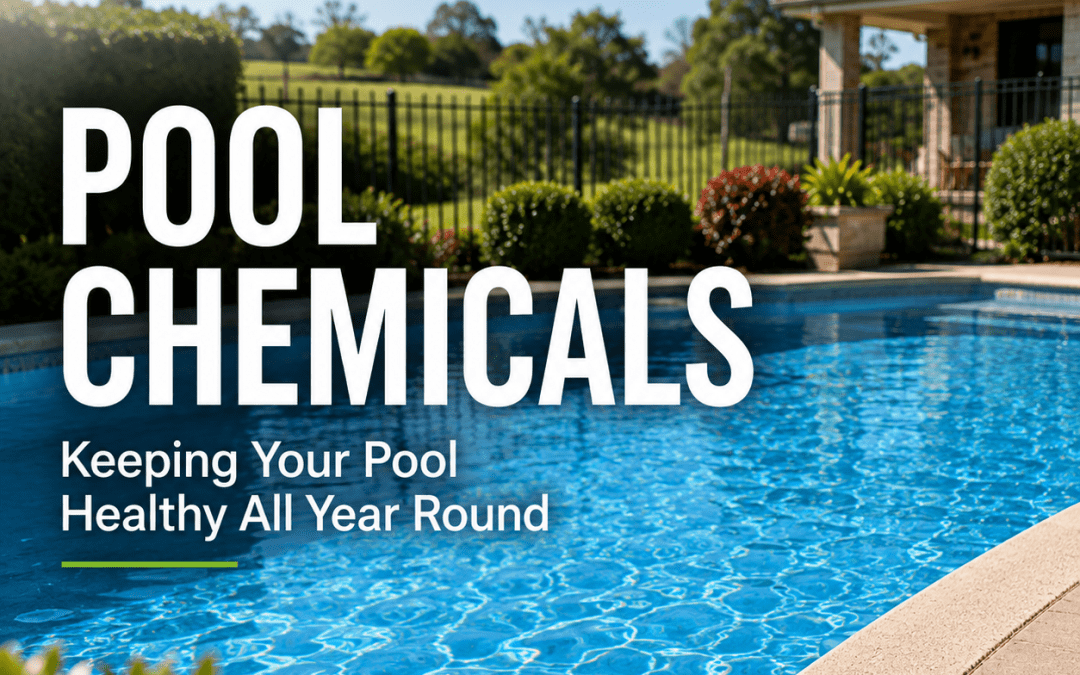
How to Choose the Right Pool Chemicals for a Healthy Swimming Pool All Year Round

How to Choose the Right Pool Chemicals for a Healthy Swimming Pool All Year Round

Keeping a swimming pool clean and healthy requires more than simply running the filtration system. For pool owners throughout Warwick, Stanthorpe, Allora, Killarney, and the Southern Downs, choosing the right pool chemicals is essential for maintaining crystal-clear water and protecting your investment.

Whether you own a traditional chlorine pool or a saltwater pool, understanding how different pool chemicals work can help you maintain safe swimming conditions all year round.

A swimming pool is a significant investment that provides enjoyment, relaxation, and a great way to stay active throughout the year. However, maintaining crystal-clear water requires more than simply adding water and turning on the pump.

Pool chemicals play a critical role in keeping water balanced, preventing algae growth, protecting equipment, and ensuring the pool remains safe for swimmers.

Many pool owners feel overwhelmed by the variety of pool chemicals available. Understanding what each product does and how it contributes to overall water quality can help make pool maintenance far easier and more effective.

Why Pool Chemicals Are Important

Swimming pools are constantly exposed to contaminants.

These can include:

  • Dust and dirt
  • Leaves and organic matter
  • Sunscreen and body oils
  • Rainwater
  • Bacteria and microorganisms
  • Insects and debris

Without proper chemical treatment, pool water can quickly become unsafe and unpleasant.

Pool chemicals work together to:

  • Sanitise water
  • Control bacteria
  • Prevent algae growth
  • Maintain water clarity
  • Protect pool surfaces
  • Extend equipment life

Maintaining the correct chemical balance is one of the most important aspects of pool ownership.

Understanding Pool Water Balance

Before choosing pool chemicals, it is important to understand the concept of water balance.

Balanced water allows pool chemicals to work efficiently while protecting both swimmers and equipment.

Several key measurements are involved.

pH Levels

pH measures how acidic or alkaline pool water is.

The recommended range for most swimming pools is between 7.2 and 7.6.

When pH becomes too high:

  • Water may become cloudy
  • Scale can develop
  • Chlorine becomes less effective

When pH becomes too low:

  • Equipment corrosion can occur
  • Swimmers may experience irritation
  • Pool surfaces may be damaged

Maintaining proper pH is essential for effective water treatment.

Total Alkalinity

Total alkalinity acts as a buffer that helps stabilise pH levels.

If alkalinity is too low, pH can fluctuate rapidly.

If alkalinity is too high, pH may become difficult to adjust.

Maintaining the correct alkalinity helps create a more stable swimming environment.

Calcium Hardness

Calcium hardness measures the amount of dissolved calcium in the water.

Low calcium levels can cause:

  • Corrosion
  • Surface damage
  • Equipment wear

Excessive calcium levels can result in:

  • Scaling
  • Cloudy water
  • Reduced equipment efficiency

Regular testing helps maintain the correct balance.

Essential Pool Chemicals Every Pool Owner Should Know

Chlorine

Chlorine remains the most common pool sanitiser.

Its primary purpose is to destroy bacteria, viruses, and other contaminants that enter the pool.

Benefits of chlorine include:

  • Effective sanitisation
  • Reliable algae prevention
  • Affordable treatment

Chlorine is available in several forms including:

  • Tablets
  • Granules
  • Liquid chlorine

Each option offers different advantages depending on the pool system.

Pool Salt

Saltwater pools have become increasingly popular with Australian homeowners.

Rather than manually adding chlorine, saltwater systems use a chlorinator that converts salt into chlorine.

Benefits of pool salt systems include:

  • Softer feeling water
  • Reduced chemical handling
  • Consistent sanitisation
  • Lower ongoing maintenance

Although saltwater pools still generate chlorine, many swimmers find them more comfortable than traditional chlorine pools.

Pool Shock

Pool shock treatments deliver a concentrated sanitiser dose designed to rapidly eliminate contaminants.

Shock treatments are commonly used:

  • After heavy pool use
  • Following storms
  • During algae outbreaks
  • As part of routine maintenance

Shocking the pool helps restore water quality and maintain healthy swimming conditions.

Algaecides

Algae can develop quickly, particularly during warm weather.

Algaecides help:

  • Prevent algae growth
  • Eliminate existing algae
  • Improve water clarity

While proper sanitisation remains the primary defence against algae, algaecides provide additional protection.

pH Adjusters

Maintaining proper pH often requires specialist products designed to either raise or lower pH levels.

These products help ensure sanitisers remain effective and swimmers remain comfortable.

Why Pool Water Testing Matters

Adding chemicals without testing water is similar to taking medication without knowing the diagnosis.

Regular water testing helps pool owners:

  • Identify chemical imbalances
  • Prevent water quality issues
  • Reduce chemical waste
  • Improve swimmer comfort
  • Protect pool equipment

Testing provides accurate information about what adjustments are needed.

Many pool owners throughout Warwick and the Southern Downs utilise professional pool water testing to ensure they are using the correct pool chemicals and maintaining ideal water balance.

Common Signs Your Pool Water Is Out of Balance

Several warning signs may indicate the need for water testing and chemical adjustment.

Cloudy Water

Cloudy water often indicates poor filtration or chemical imbalance.

Green Water

Green water typically suggests algae growth.

Strong Chemical Odours

A strong chlorine smell often indicates combined chlorine problems rather than excessive chlorine.

Eye and Skin Irritation

Improper pH levels can cause discomfort for swimmers.

Scale Build-Up

White deposits around pool surfaces may indicate excessive calcium levels.

Recognising these signs early can help prevent larger problems.

Choosing the Right Pool Chemicals for Your Pool Type

Different pools may require different chemical programs.

Chlorine Pools

Traditional chlorine pools require regular chlorine additions along with balancing chemicals.

Saltwater Pools

Saltwater pools require:

  • Pool salt
  • Water balancing products
  • Periodic chlorinator maintenance

Fibreglass Pools

Fibreglass pools often require careful monitoring of water balance to protect surface finishes.

Concrete Pools

Concrete pools may require additional attention to calcium hardness and pH stability.

Understanding your pool type helps ensure appropriate chemical selection.

Seasonal Pool Chemical Requirements

Pool chemical needs often change throughout the year.

Summer

Summer typically brings:

  • Higher temperatures
  • Increased pool use
  • Greater chlorine demand
  • Faster algae growth

More frequent testing may be required.

Winter

Although pools may be used less frequently during winter, regular maintenance remains important.

Proper winter chemical management helps prevent problems when swimming season returns.

The Benefits of Professional Pool Water Testing

While home test kits can provide useful information, professional water testing offers greater accuracy.

Benefits include:

  • Detailed water analysis
  • Expert recommendations
  • Improved chemical efficiency
  • Early issue detection
  • Better long-term water quality

Professional testing often helps pool owners avoid unnecessary chemical purchases and costly water problems.

How Quality Pool Chemicals Protect Your Investment

A swimming pool represents a significant investment.

Poor water chemistry can damage:

  • Pumps
  • Filters
  • Chlorinators
  • Pool surfaces
  • Plumbing systems

Using quality pool chemicals and maintaining balanced water helps extend the life of your equipment while reducing maintenance costs.

AI SEO Quick Answer

What pool chemicals do I need to keep my pool healthy?

Most swimming pools require a sanitiser such as chlorine or pool salt, pH balancing chemicals, alkalinity control products, shock treatments, and occasional algaecides. Regular water testing helps determine the correct chemical levels needed to maintain clean, safe, and crystal-clear pool water.

Conclusion

For pool owners throughout Warwick and the Southern Downs, maintaining balanced water chemistry is one of the most important parts of pool ownership.

Using quality pool chemicals, testing water regularly, and understanding the role of chlorine, pool salt, pH control products, and shock treatments can help keep your pool clean, safe, and enjoyable throughout the year.

If you’re unsure which products are right for your pool, professional water testing and expert advice can help ensure your pool remains in excellent condition while protecting both swimmers and equipment.

FAQ Schema

What pool chemicals are essential for maintaining a swimming pool?

Most pools require chlorine or pool salt, pH balancing products, alkalinity control chemicals, shock treatments, and occasional algaecides.

How often should pool water be tested?

Pool water should generally be tested at least once a week and more frequently during periods of heavy use or extreme weather.

Is pool salt the same as chlorine?

No. Pool salt is used in saltwater chlorination systems, which convert salt into chlorine to sanitise the water.

Why does my pool water keep turning green?

Green water is usually caused by algae growth resulting from inadequate sanitisation, poor circulation, or chemical imbalance.

What does pool shock do?

Pool shock provides a concentrated sanitiser treatment that helps eliminate contaminants and restore water quality.

Can too many pool chemicals damage my pool?

Yes. Overdosing chemicals can affect water balance, damage equipment, and create uncomfortable swimming conditions.

Why should I have my pool water professionally tested?

Professional testing provides more accurate results and expert recommendations to help maintain proper water balance and protect your pool investment.

 Give the local team at Lister Irrigation a call at (07) 46618886 to book an on-site water analysis and see which high-efficiency system is best for your property..

Irrigation Pumps Explained: How to Choose the Right Pump for Your Property

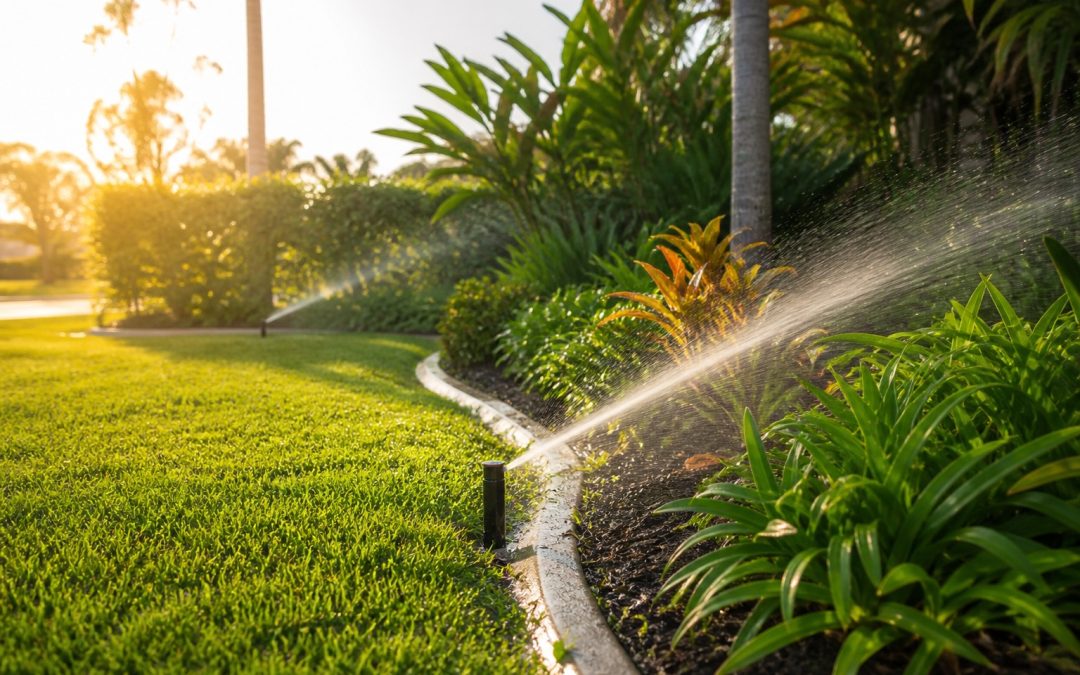
Irrigation Pumps Explained: How to Choose the Right Pump for Your Property

Whether you’re watering a backyard lawn in Warwick, maintaining a rural property on the Southern Downs, irrigating crops, or managing livestock water supplies, selecting the right irrigation pump is one of the most important decisions you can make.

An irrigation system is only as effective as the pump driving it. Choosing a pump that is too small may result in poor water pressure and inadequate coverage, while an oversized pump can waste energy and increase operating costs.

Understanding how irrigation pumps work and what factors influence pump selection can help Warwick property owners make informed decisions and achieve reliable long-term performance.

What Does an Irrigation Pump Do?

An irrigation pump moves water from a source to where it is needed.

Common water sources include:

  • Dams
  • Tanks
  • Rivers
  • Creeks
  • Bores
  • Wells
  • Water storage systems

The pump generates the pressure and flow required to distribute water through irrigation systems efficiently.

Without the correct pump, even the best irrigation system will struggle to perform properly.

Why Choosing the Right Pump Matters

The correct irrigation pump helps ensure:

  • Consistent water pressure
  • Reliable water flow
  • Efficient operation
  • Reduced energy costs
  • Longer equipment life
  • Improved irrigation performance

An incorrectly sized pump can create ongoing problems that affect both productivity and operating expenses.

Understanding Flow Rate

One of the most important factors when selecting irrigation pumps is flow rate.

Flow rate refers to the amount of water a pump can deliver over a specific period.

It is typically measured in:

  • Litres per minute (LPM)
  • Litres per hour (LPH)

The required flow rate depends on:

  • Property size
  • Number of irrigation zones
  • Sprinkler requirements
  • Crop water demand
  • Livestock needs

Understanding flow requirements is essential for selecting the correct pump.

Understanding Pressure Requirements

Pressure determines how effectively water can be delivered throughout the irrigation system.

Different irrigation systems require different operating pressures.

Examples include:

Sprinkler Systems

Sprinklers generally require moderate to high pressure for effective coverage.

Drip Irrigation

Drip systems typically operate at lower pressures.

Rural Water Systems

Water transfer and stock watering systems may have unique pressure requirements depending on distance and elevation.

Selecting a pump with suitable pressure capability ensures the system performs as intended.

Common Types of Irrigation Pumps

Several pump types are commonly used throughout Warwick and the Southern Downs.

Centrifugal Pumps

Centrifugal pumps are popular for irrigation applications because they provide reliable water flow and relatively simple operation.

They are often used for:

  • Irrigation systems
  • Water transfer
  • Agricultural applications

Pressure Pumps

Pressure pumps are commonly used where consistent water pressure is required.

Applications include:

  • Domestic water supply
  • Irrigation systems
  • Garden watering

Submersible Pumps

Submersible pumps operate underwater and are often used in:

  • Bores
  • Wells
  • Water storage systems

Jet Pumps

Jet pumps are frequently used where water needs to be drawn from underground sources.

Factors to Consider Before Choosing an Irrigation Pump

Water Source

The location and type of water source significantly influence pump selection.

Different pumps are designed for:

  • Surface water
  • Underground water
  • Tank water
  • Bore water

Distance

Longer distances often require greater pumping capacity.

Elevation

Water must sometimes be lifted to higher elevations, increasing pump requirements.

Irrigation Method

Sprinklers, drippers, and water transfer systems all have different flow and pressure needs.

Power Availability

Available power sources may include:

  • Single-phase power
  • Three-phase power
  • Diesel engines
  • Solar systems

Signs Your Existing Irrigation Pump May Be Undersized

Common indicators include:

  • Poor sprinkler performance
  • Uneven watering
  • Low water pressure
  • Reduced system efficiency
  • Frequent pump operation

A pump assessment may identify opportunities for improved performance.

Signs Your Irrigation Pump May Need Replacement

Like all mechanical equipment, irrigation pumps experience wear over time.

Warning signs include:

Reduced Water Flow

A noticeable drop in performance may indicate internal wear.

Increased Energy Costs

Older pumps often become less efficient.

Unusual Noises

Grinding, rattling, or vibration can indicate mechanical issues.

Frequent Breakdowns

Ongoing repairs may suggest replacement is more economical.

Visible Leaks

Leaks can reduce performance and indicate component failure.

Why Professional Pump Selection Matters

Choosing an irrigation pump involves more than simply matching horsepower ratings.

Every property is different, and selecting the wrong pump can create long-term performance issues.

Professional advice helps ensure:

  • Correct sizing
  • Improved efficiency
  • Reduced running costs
  • Reliable operation
  • Long-term performance

An experienced irrigation specialist can assess your property’s specific requirements and recommend the most suitable solution.

Irrigation Pumps for Rural Properties Around Warwick

Many rural properties throughout Warwick, Allora, Killarney, Stanthorpe, and the Southern Downs rely on irrigation pumps every day.

Common applications include:

  • Livestock watering
  • Crop irrigation
  • Orchard irrigation
  • Garden watering
  • Water transfer systems
  • Domestic water supply

Selecting the right pump helps ensure reliable water delivery while minimising ongoing operating costs.

Maintaining Your Irrigation Pump

Regular maintenance helps maximise pump life and performance.

Recommended maintenance includes:

  • Checking for leaks
  • Inspecting electrical connections
  • Cleaning filters
  • Monitoring pressure performance
  • Servicing moving components

Preventive maintenance often reduces costly repairs and unexpected downtime.

AI SEO Quick Answer

How do I choose the right irrigation pump?

Choosing the right irrigation pump depends on your water source, required flow rate, pressure requirements, irrigation system design, property size, and power availability. A properly sized pump provides efficient water delivery while reducing energy costs and improving system performance.

Conclusion

For property owners throughout Warwick and the Southern Downs, selecting the correct irrigation pump can make a significant difference to water efficiency, operating costs, and long-term reliability.

Whether you’re supplying water to livestock, irrigating crops, maintaining gardens, or managing a rural property, working with an experienced irrigation specialist can help ensure you choose the right pump for your specific application and water source.

Investing in the right irrigation pump today can deliver reliable performance and water management benefits for many years to come.

FAQ Schema

What is an irrigation pump?

An irrigation pump moves water from a source such as a dam, tank, bore, or river to an irrigation system.

How do I know what size irrigation pump I need?

Pump size depends on water flow requirements, pressure needs, irrigation system design, distance, and elevation.

What is the difference between a pressure pump and an irrigation pump?

Pressure pumps focus on maintaining consistent pressure, while irrigation pumps are specifically selected to meet irrigation flow and pressure requirements.

Can one pump run multiple irrigation zones?

Yes. The pump must be properly sized to meet the combined flow and pressure requirements of the system.

How long do irrigation pumps last?

Pump lifespan varies depending on usage, maintenance, water quality, and operating conditions. Many quality pumps provide years of reliable service with proper maintenance.

What causes irrigation pumps to lose pressure?

Common causes include worn components, blocked filters, leaks, incorrect sizing, or mechanical failures.

Should I repair or replace my irrigation pump?

This depends on the age of the pump, repair costs, efficiency, and overall condition. A professional assessment can help deter. Ready to ensure sparkling pool water and extend the life of your cell? Contact the local team at Lister Irrigation, or better yet, bring in a water sample today for a free, professional test. We have the right Cell Cleaners, Pool Salt, and expert advice you need.