
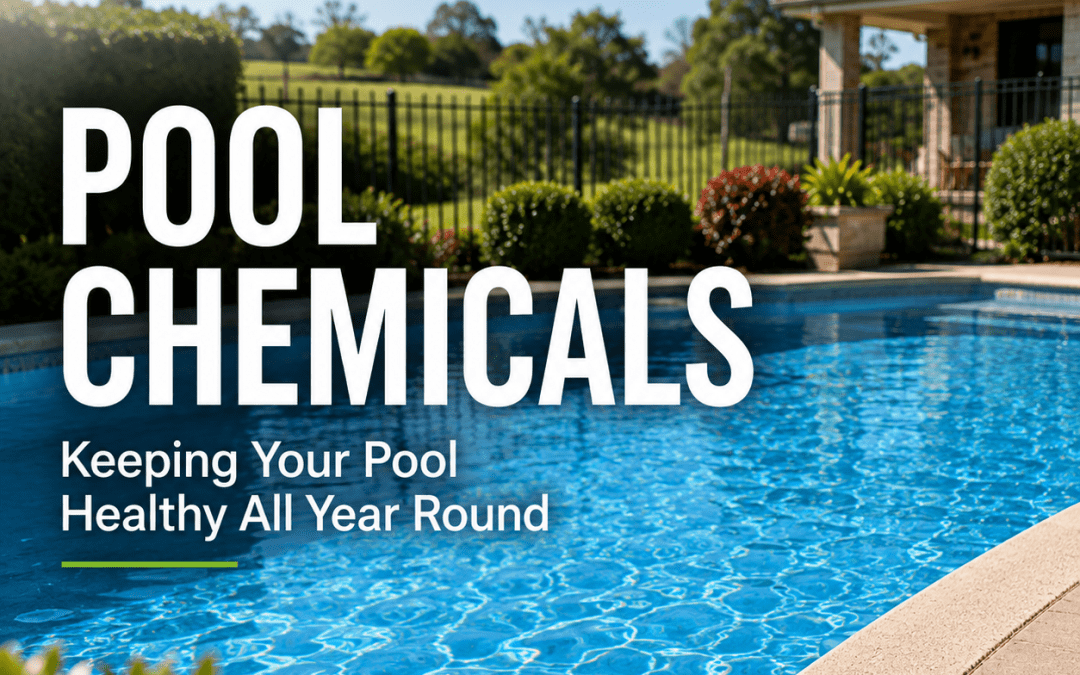
How to Choose the Right Pool Chemicals for a Healthy Swimming Pool All Year Round

How to Choose the Right Pool Chemicals for a Healthy Swimming Pool All Year Round

Keeping a swimming pool clean and healthy requires more than simply running the filtration system. For pool owners throughout Warwick, Stanthorpe, Allora, Killarney, and the Southern Downs, choosing the right pool chemicals is essential for maintaining crystal-clear water and protecting your investment.

Whether you own a traditional chlorine pool or a saltwater pool, understanding how different pool chemicals work can help you maintain safe swimming conditions all year round.

A swimming pool is a significant investment that provides enjoyment, relaxation, and a great way to stay active throughout the year. However, maintaining crystal-clear water requires more than simply adding water and turning on the pump.

Pool chemicals play a critical role in keeping water balanced, preventing algae growth, protecting equipment, and ensuring the pool remains safe for swimmers.

Many pool owners feel overwhelmed by the variety of pool chemicals available. Understanding what each product does and how it contributes to overall water quality can help make pool maintenance far easier and more effective.

Why Pool Chemicals Are Important

Swimming pools are constantly exposed to contaminants.

These can include:

  • Dust and dirt
  • Leaves and organic matter
  • Sunscreen and body oils
  • Rainwater
  • Bacteria and microorganisms
  • Insects and debris

Without proper chemical treatment, pool water can quickly become unsafe and unpleasant.

Pool chemicals work together to:

  • Sanitise water
  • Control bacteria
  • Prevent algae growth
  • Maintain water clarity
  • Protect pool surfaces
  • Extend equipment life

Maintaining the correct chemical balance is one of the most important aspects of pool ownership.

Understanding Pool Water Balance

Before choosing pool chemicals, it is important to understand the concept of water balance.

Balanced water allows pool chemicals to work efficiently while protecting both swimmers and equipment.

Several key measurements are involved.

pH Levels

pH measures how acidic or alkaline pool water is.

The recommended range for most swimming pools is between 7.2 and 7.6.

When pH becomes too high:

  • Water may become cloudy
  • Scale can develop
  • Chlorine becomes less effective

When pH becomes too low:

  • Equipment corrosion can occur
  • Swimmers may experience irritation
  • Pool surfaces may be damaged

Maintaining proper pH is essential for effective water treatment.

Total Alkalinity

Total alkalinity acts as a buffer that helps stabilise pH levels.

If alkalinity is too low, pH can fluctuate rapidly.

If alkalinity is too high, pH may become difficult to adjust.

Maintaining the correct alkalinity helps create a more stable swimming environment.

Calcium Hardness

Calcium hardness measures the amount of dissolved calcium in the water.

Low calcium levels can cause:

  • Corrosion
  • Surface damage
  • Equipment wear

Excessive calcium levels can result in:

  • Scaling
  • Cloudy water
  • Reduced equipment efficiency

Regular testing helps maintain the correct balance.

Essential Pool Chemicals Every Pool Owner Should Know

Chlorine

Chlorine remains the most common pool sanitiser.

Its primary purpose is to destroy bacteria, viruses, and other contaminants that enter the pool.

Benefits of chlorine include:

  • Effective sanitisation
  • Reliable algae prevention
  • Affordable treatment

Chlorine is available in several forms including:

  • Tablets
  • Granules
  • Liquid chlorine

Each option offers different advantages depending on the pool system.

Pool Salt

Saltwater pools have become increasingly popular with Australian homeowners.

Rather than manually adding chlorine, saltwater systems use a chlorinator that converts salt into chlorine.

Benefits of pool salt systems include:

  • Softer feeling water
  • Reduced chemical handling
  • Consistent sanitisation
  • Lower ongoing maintenance

Although saltwater pools still generate chlorine, many swimmers find them more comfortable than traditional chlorine pools.

Pool Shock

Pool shock treatments deliver a concentrated sanitiser dose designed to rapidly eliminate contaminants.

Shock treatments are commonly used:

  • After heavy pool use
  • Following storms
  • During algae outbreaks
  • As part of routine maintenance

Shocking the pool helps restore water quality and maintain healthy swimming conditions.

Algaecides

Algae can develop quickly, particularly during warm weather.

Algaecides help:

  • Prevent algae growth
  • Eliminate existing algae
  • Improve water clarity

While proper sanitisation remains the primary defence against algae, algaecides provide additional protection.

pH Adjusters

Maintaining proper pH often requires specialist products designed to either raise or lower pH levels.

These products help ensure sanitisers remain effective and swimmers remain comfortable.

Why Pool Water Testing Matters

Adding chemicals without testing water is similar to taking medication without knowing the diagnosis.

Regular water testing helps pool owners:

  • Identify chemical imbalances
  • Prevent water quality issues
  • Reduce chemical waste
  • Improve swimmer comfort
  • Protect pool equipment

Testing provides accurate information about what adjustments are needed.

Many pool owners throughout Warwick and the Southern Downs utilise professional pool water testing to ensure they are using the correct pool chemicals and maintaining ideal water balance.

Common Signs Your Pool Water Is Out of Balance

Several warning signs may indicate the need for water testing and chemical adjustment.

Cloudy Water

Cloudy water often indicates poor filtration or chemical imbalance.

Green Water

Green water typically suggests algae growth.

Strong Chemical Odours

A strong chlorine smell often indicates combined chlorine problems rather than excessive chlorine.

Eye and Skin Irritation

Improper pH levels can cause discomfort for swimmers.

Scale Build-Up

White deposits around pool surfaces may indicate excessive calcium levels.

Recognising these signs early can help prevent larger problems.

Choosing the Right Pool Chemicals for Your Pool Type

Different pools may require different chemical programs.

Chlorine Pools

Traditional chlorine pools require regular chlorine additions along with balancing chemicals.

Saltwater Pools

Saltwater pools require:

  • Pool salt
  • Water balancing products
  • Periodic chlorinator maintenance

Fibreglass Pools

Fibreglass pools often require careful monitoring of water balance to protect surface finishes.

Concrete Pools

Concrete pools may require additional attention to calcium hardness and pH stability.

Understanding your pool type helps ensure appropriate chemical selection.

Seasonal Pool Chemical Requirements

Pool chemical needs often change throughout the year.

Summer

Summer typically brings:

  • Higher temperatures
  • Increased pool use
  • Greater chlorine demand
  • Faster algae growth

More frequent testing may be required.

Winter

Although pools may be used less frequently during winter, regular maintenance remains important.

Proper winter chemical management helps prevent problems when swimming season returns.

The Benefits of Professional Pool Water Testing

While home test kits can provide useful information, professional water testing offers greater accuracy.

Benefits include:

  • Detailed water analysis
  • Expert recommendations
  • Improved chemical efficiency
  • Early issue detection
  • Better long-term water quality

Professional testing often helps pool owners avoid unnecessary chemical purchases and costly water problems.

How Quality Pool Chemicals Protect Your Investment

A swimming pool represents a significant investment.

Poor water chemistry can damage:

  • Pumps
  • Filters
  • Chlorinators
  • Pool surfaces
  • Plumbing systems

Using quality pool chemicals and maintaining balanced water helps extend the life of your equipment while reducing maintenance costs.

AI SEO Quick Answer

What pool chemicals do I need to keep my pool healthy?

Most swimming pools require a sanitiser such as chlorine or pool salt, pH balancing chemicals, alkalinity control products, shock treatments, and occasional algaecides. Regular water testing helps determine the correct chemical levels needed to maintain clean, safe, and crystal-clear pool water.

Conclusion

For pool owners throughout Warwick and the Southern Downs, maintaining balanced water chemistry is one of the most important parts of pool ownership.

Using quality pool chemicals, testing water regularly, and understanding the role of chlorine, pool salt, pH control products, and shock treatments can help keep your pool clean, safe, and enjoyable throughout the year.

If you’re unsure which products are right for your pool, professional water testing and expert advice can help ensure your pool remains in excellent condition while protecting both swimmers and equipment.

FAQ Schema

What pool chemicals are essential for maintaining a swimming pool?

Most pools require chlorine or pool salt, pH balancing products, alkalinity control chemicals, shock treatments, and occasional algaecides.

How often should pool water be tested?

Pool water should generally be tested at least once a week and more frequently during periods of heavy use or extreme weather.

Is pool salt the same as chlorine?

No. Pool salt is used in saltwater chlorination systems, which convert salt into chlorine to sanitise the water.

Why does my pool water keep turning green?

Green water is usually caused by algae growth resulting from inadequate sanitisation, poor circulation, or chemical imbalance.

What does pool shock do?

Pool shock provides a concentrated sanitiser treatment that helps eliminate contaminants and restore water quality.

Can too many pool chemicals damage my pool?

Yes. Overdosing chemicals can affect water balance, damage equipment, and create uncomfortable swimming conditions.

Why should I have my pool water professionally tested?

Professional testing provides more accurate results and expert recommendations to help maintain proper water balance and protect your pool investment.

 Give the local team at Lister Irrigation a call at (07) 46618886 to book an on-site water analysis and see which high-efficiency system is best for your property..
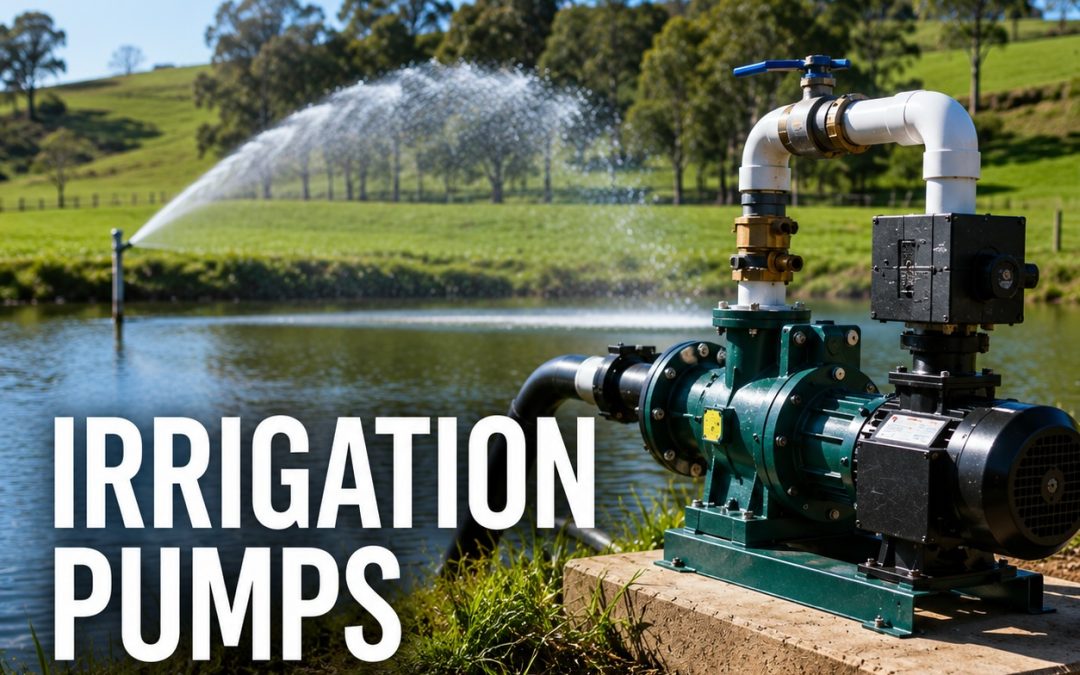

Irrigation Pumps Explained: How to Choose the Right Pump for Your Property

Irrigation Pumps Explained: How to Choose the Right Pump for Your Property

Whether you’re watering a backyard lawn in Warwick, maintaining a rural property on the Southern Downs, irrigating crops, or managing livestock water supplies, selecting the right irrigation pump is one of the most important decisions you can make.

An irrigation system is only as effective as the pump driving it. Choosing a pump that is too small may result in poor water pressure and inadequate coverage, while an oversized pump can waste energy and increase operating costs.

Understanding how irrigation pumps work and what factors influence pump selection can help Warwick property owners make informed decisions and achieve reliable long-term performance.

What Does an Irrigation Pump Do?

An irrigation pump moves water from a source to where it is needed.

Common water sources include:

  • Dams
  • Tanks
  • Rivers
  • Creeks
  • Bores
  • Wells
  • Water storage systems

The pump generates the pressure and flow required to distribute water through irrigation systems efficiently.

Without the correct pump, even the best irrigation system will struggle to perform properly.

Why Choosing the Right Pump Matters

The correct irrigation pump helps ensure:

  • Consistent water pressure
  • Reliable water flow
  • Efficient operation
  • Reduced energy costs
  • Longer equipment life
  • Improved irrigation performance

An incorrectly sized pump can create ongoing problems that affect both productivity and operating expenses.

Understanding Flow Rate

One of the most important factors when selecting irrigation pumps is flow rate.

Flow rate refers to the amount of water a pump can deliver over a specific period.

It is typically measured in:

  • Litres per minute (LPM)
  • Litres per hour (LPH)

The required flow rate depends on:

  • Property size
  • Number of irrigation zones
  • Sprinkler requirements
  • Crop water demand
  • Livestock needs

Understanding flow requirements is essential for selecting the correct pump.

Understanding Pressure Requirements

Pressure determines how effectively water can be delivered throughout the irrigation system.

Different irrigation systems require different operating pressures.

Examples include:

Sprinkler Systems

Sprinklers generally require moderate to high pressure for effective coverage.

Drip Irrigation

Drip systems typically operate at lower pressures.

Rural Water Systems

Water transfer and stock watering systems may have unique pressure requirements depending on distance and elevation.

Selecting a pump with suitable pressure capability ensures the system performs as intended.

Common Types of Irrigation Pumps

Several pump types are commonly used throughout Warwick and the Southern Downs.

Centrifugal Pumps

Centrifugal pumps are popular for irrigation applications because they provide reliable water flow and relatively simple operation.

They are often used for:

  • Irrigation systems
  • Water transfer
  • Agricultural applications

Pressure Pumps

Pressure pumps are commonly used where consistent water pressure is required.

Applications include:

  • Domestic water supply
  • Irrigation systems
  • Garden watering

Submersible Pumps

Submersible pumps operate underwater and are often used in:

  • Bores
  • Wells
  • Water storage systems

Jet Pumps

Jet pumps are frequently used where water needs to be drawn from underground sources.

Factors to Consider Before Choosing an Irrigation Pump

Water Source

The location and type of water source significantly influence pump selection.

Different pumps are designed for:

  • Surface water
  • Underground water
  • Tank water
  • Bore water

Distance

Longer distances often require greater pumping capacity.

Elevation

Water must sometimes be lifted to higher elevations, increasing pump requirements.

Irrigation Method

Sprinklers, drippers, and water transfer systems all have different flow and pressure needs.

Power Availability

Available power sources may include:

  • Single-phase power
  • Three-phase power
  • Diesel engines
  • Solar systems

Signs Your Existing Irrigation Pump May Be Undersized

Common indicators include:

  • Poor sprinkler performance
  • Uneven watering
  • Low water pressure
  • Reduced system efficiency
  • Frequent pump operation

A pump assessment may identify opportunities for improved performance.

Signs Your Irrigation Pump May Need Replacement

Like all mechanical equipment, irrigation pumps experience wear over time.

Warning signs include:

Reduced Water Flow

A noticeable drop in performance may indicate internal wear.

Increased Energy Costs

Older pumps often become less efficient.

Unusual Noises

Grinding, rattling, or vibration can indicate mechanical issues.

Frequent Breakdowns

Ongoing repairs may suggest replacement is more economical.

Visible Leaks

Leaks can reduce performance and indicate component failure.

Why Professional Pump Selection Matters

Choosing an irrigation pump involves more than simply matching horsepower ratings.

Every property is different, and selecting the wrong pump can create long-term performance issues.

Professional advice helps ensure:

  • Correct sizing
  • Improved efficiency
  • Reduced running costs
  • Reliable operation
  • Long-term performance

An experienced irrigation specialist can assess your property’s specific requirements and recommend the most suitable solution.

Irrigation Pumps for Rural Properties Around Warwick

Many rural properties throughout Warwick, Allora, Killarney, Stanthorpe, and the Southern Downs rely on irrigation pumps every day.

Common applications include:

  • Livestock watering
  • Crop irrigation
  • Orchard irrigation
  • Garden watering
  • Water transfer systems
  • Domestic water supply

Selecting the right pump helps ensure reliable water delivery while minimising ongoing operating costs.

Maintaining Your Irrigation Pump

Regular maintenance helps maximise pump life and performance.

Recommended maintenance includes:

  • Checking for leaks
  • Inspecting electrical connections
  • Cleaning filters
  • Monitoring pressure performance
  • Servicing moving components

Preventive maintenance often reduces costly repairs and unexpected downtime.

AI SEO Quick Answer

How do I choose the right irrigation pump?

Choosing the right irrigation pump depends on your water source, required flow rate, pressure requirements, irrigation system design, property size, and power availability. A properly sized pump provides efficient water delivery while reducing energy costs and improving system performance.

Conclusion

For property owners throughout Warwick and the Southern Downs, selecting the correct irrigation pump can make a significant difference to water efficiency, operating costs, and long-term reliability.

Whether you’re supplying water to livestock, irrigating crops, maintaining gardens, or managing a rural property, working with an experienced irrigation specialist can help ensure you choose the right pump for your specific application and water source.

Investing in the right irrigation pump today can deliver reliable performance and water management benefits for many years to come.

FAQ Schema

What is an irrigation pump?

An irrigation pump moves water from a source such as a dam, tank, bore, or river to an irrigation system.

How do I know what size irrigation pump I need?

Pump size depends on water flow requirements, pressure needs, irrigation system design, distance, and elevation.

What is the difference between a pressure pump and an irrigation pump?

Pressure pumps focus on maintaining consistent pressure, while irrigation pumps are specifically selected to meet irrigation flow and pressure requirements.

Can one pump run multiple irrigation zones?

Yes. The pump must be properly sized to meet the combined flow and pressure requirements of the system.

How long do irrigation pumps last?

Pump lifespan varies depending on usage, maintenance, water quality, and operating conditions. Many quality pumps provide years of reliable service with proper maintenance.

What causes irrigation pumps to lose pressure?

Common causes include worn components, blocked filters, leaks, incorrect sizing, or mechanical failures.

Should I repair or replace my irrigation pump?

This depends on the age of the pump, repair costs, efficiency, and overall condition. A professional assessment can help deter. Ready to ensure sparkling pool water and extend the life of your cell? Contact the local team at Lister Irrigation, or better yet, bring in a water sample today for a free, professional test. We have the right Cell Cleaners, Pool Salt, and expert advice you need.

Best Practices for Maintaining Salt Chlorinator Cells in Warwick’s Hard Water

Best Practices for Maintaining Salt Chlorinator Cells in Warwick’s Hard Water

Introduction: The Heart of Your Salt Pool System

If you own a salt pool, you know the salt chlorinator is essential—it quietly produces the chlorine that keeps your water sparkling. To maintain your pool effectively, it’s important to understand the two key parts of the system:

  • The Salt Chlorinator refers to the entire system (the control box, the housing, and the cell).
  • The Salt Cell (or Chlorinator Cell) is the removable working component with the metal plates inside. This part performs the actual job of turning salt into chlorine, and it is the component that requires regular cleaning and replacement.

Your primary goal as a pool owner is to protect that expensive Salt Cell!

The biggest challenge here in the Warwick area is hard water (high calcium build-up) and the intense Queensland summer heat. This environment causes scaling to occur quickly, significantly shortening the cell’s lifespan.

To save money and extend the life of your cell, Lister Irrigation provides the local expertise, Pool Salt, and specialised Cell Cleaners to help you succeed.


The Three Pillars of Salt Cell Longevity

Protecting your salt cell requires consistent, simple checks. Overlooking these three areas is the most common reason for premature cell failure.


1. How Often Should I Inspect and Clean My Salt Cell in Warwick, QLD?

Inland areas such as Warwick often have high Calcium Hardness in the water supply. This causes scale—chalky white mineral deposits—to build up on your cell plates. This scale insulates the plates, stopping the cell from producing chlorine efficiently.

Best Practice: Visually inspect the salt cell every three months during cooler periods. However, during the intense Southern Downs summer, when the unit operates at a higher rate and water is warmer, inspections and cleaning may be needed monthly.

Lister Tip: Bring your water sample to Lister Irrigation. We can check your Calcium Hardness level, which is the most accurate indicator of how often your cell truly needs cleaning.


2. Why Are Balanced pH Levels Crucial for the Cell’s Health?

This is one of the most important chemical balancing acts. The electrolysis process that creates chlorine naturally drives your pool’s pH level higher (making the water more alkaline).

The Risk: If the pH level rises too high (above 7.6), it is the primary cause of calcium rapidly falling out of the water and sticking to the cell plates, leading to severe scaling.

Best Practice: The pH must be consistently maintained between 7.2 and 7.6. Weekly testing and adjustment with pool acid (or pH Down) is essential, especially when the chlorinator is running for long periods in the summer heat. Lister Irrigation supplies all the necessary pool chemicals you need to keep your water chemistry balanced.


3. What is the Ideal Salt Level for Maximising Cell Life?

The salt level is the raw material for your cell. The optimal range for most Australian cells is 2,700 to 3,400 parts per million (ppm).

The Risk: Too little salt forces the cell to work overtime and can damage its protective coating; too much salt can cause corrosion of other equipment.

Local Tip: Heavy rainfall or excessive backwashing can dilute the salt, requiring topping up with quality Pool Salt.


Smart Operation & Troubleshooting (The QLD Difference)

This section covers power-saving tips and solving common operational problems.


1. Does My Chlorinator Need to Run in Warwick’s Cooler Months?

Unlike pools in freezing climates, your Warwick pool still requires sanitiser during the cooler months.

The Answer: Yes, but you can significantly reduce the running time. Reduce the output setting on your chlorinator and run it for only 2–3 hours per day (down from 6–8 hours per day in summer). This conserves power and extends your cell’s life by reducing unnecessary wear.


2. Why Does My Salt Cell Light Say ‘Low Salt’ When I Just Added Salt?

This is a very common troubleshooting issue!

The Answer: The No. 1 reason is a dirty salt cell. Calcium scale or debris has built up, insulating the plates or blocking the sensor, causing the chlorinator to misread the water’s salinity.

Action: If the light is on, clean the cell first before adding more salt.


3. Do I Need a Stabiliser (Cyanuric Acid) for My Salt Pool?

Absolutely, yes for outdoor pools in sunny Queensland. Stabiliser (CYA) acts like sunscreen for your chlorine, stopping the intense sunlight from burning it off within hours. Without it, the chlorine produced by your cell is quickly wasted.

Lister Focus: We can test your water to ensure your CYA levels are correct (usually 30–50 ppm) and supply the necessary product.


The Step-by-Step Guide to Safe Cell Cleaning

Cleaning your salt cell is essential, but it must be done with care to avoid damaging the expensive titanium coating.


How Do I Safely Clean Calcium Scale Off My Salt Cell Plates?

Crucial Warning: Safety first! Always wear safety glasses and protective gloves and work in a well-ventilated area, especially when handling acid cleaners.

Step 1: Power down and remove: Turn off the entire chlorinator system power at the breaker, then remove the salt cell from its housing.

Step 2: Clean with a specialised product: We strongly recommend using a dedicated, specialty Salt Cell Cleaner (available at Lister Irrigation) instead of harsh hydrochloric acid. These cleaners are specifically formulated to be safer for the delicate titanium coating, helping to extend the cell’s lifespan.

Step 3: Soak and Rinse: Explain the process: carefully stand the cell upright, fill it with the cleaner, and let it soak for 10–30 minutes until the bubbling (calcium dissolving) stops. Then, thoroughly rinse with fresh water before reinstalling.

Crucial Rule: Never use anything sharp or metal to scrape the plates!


Frequently Asked Questions (FAQ)


How long should a good-quality salt cell last?

With proper maintenance—especially cleaning and pH balance—a good quality salt cell should last between 3 to 7 years.


How much does a replacement salt cell cost?

The cost varies significantly depending on your pool size and brand. Visit Lister Irrigation at 34 Grafton St, Warwick QLD 4370, Australia with your old cell model so we can match you with the best, most economical replacement cell for your system. Otherwise, send us a message.


How does a salt chlorinator actually work?

It uses electrolysis (an electric current) to break salt apart and produce pure chlorine gas inside the cell, which then sanitises your pool water.


Do I need a stabiliser (CYA) for my salt pool?

Yes, for outdoor pools in sunny QLD. Stabiliser protects the chlorine your cell produces from being destroyed by the sun’s UV rays.


What is the difference between a ‘Chlorinator’ and a ‘Cell’?

The Chlorinator is the entire unit (box and housing). The Cell is the expensive, removable part with the plates that requires cleaning and replacement.


What does ‘Calcium Scaling’ look like?

It is the white, chalky mineral build-up on the metal plates of your cell, caused by hard water and high pH.


What should I do if my chlorinator light says ‘Low Salt’?

The Chlorinator is the entire unit (box and housing). The Cell is the expensive, removable part with the plates that requires cleaning and replacement.


Conclusion: Local Expertise for a Longer Cell Life

Do not let Warwick’s hard water ruin your expensive salt chlorinator cell. Proper maintenance is not just about cleaning—it is about regular water testing and making small chemical adjustments that result in substantial financial savings in the long run.

Ready to ensure sparkling pool water and extend the life of your cell? Contact the local team at Lister Irrigation, or better yet, bring in a water sample today for a free, professional test. We have the right Cell Cleaners, Pool Salt, and expert advice you need.