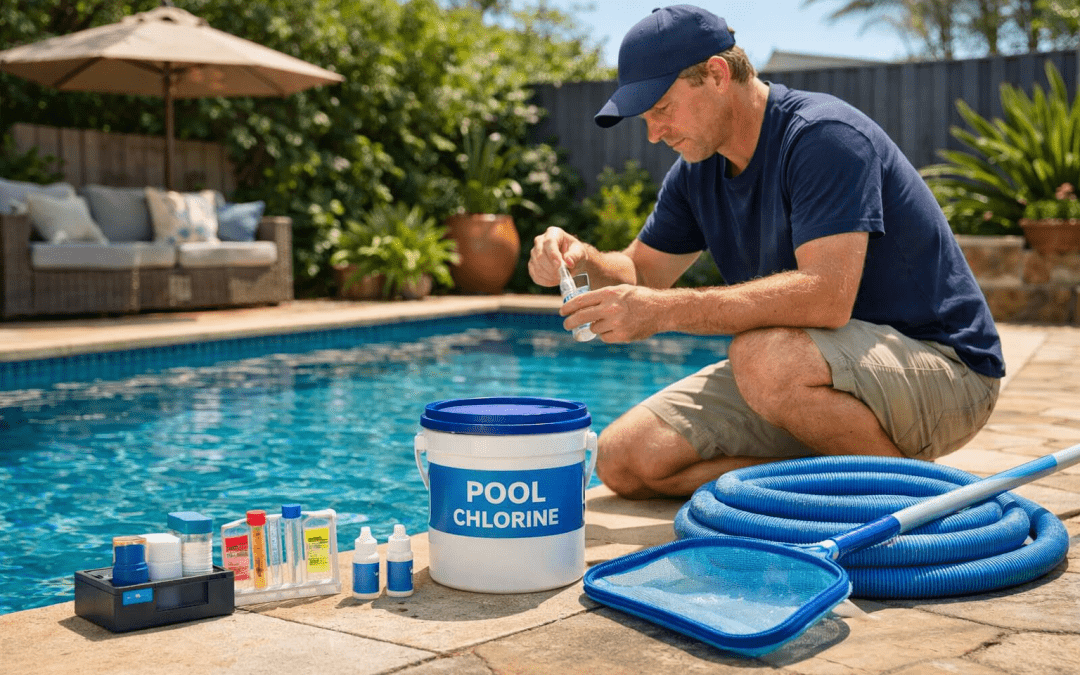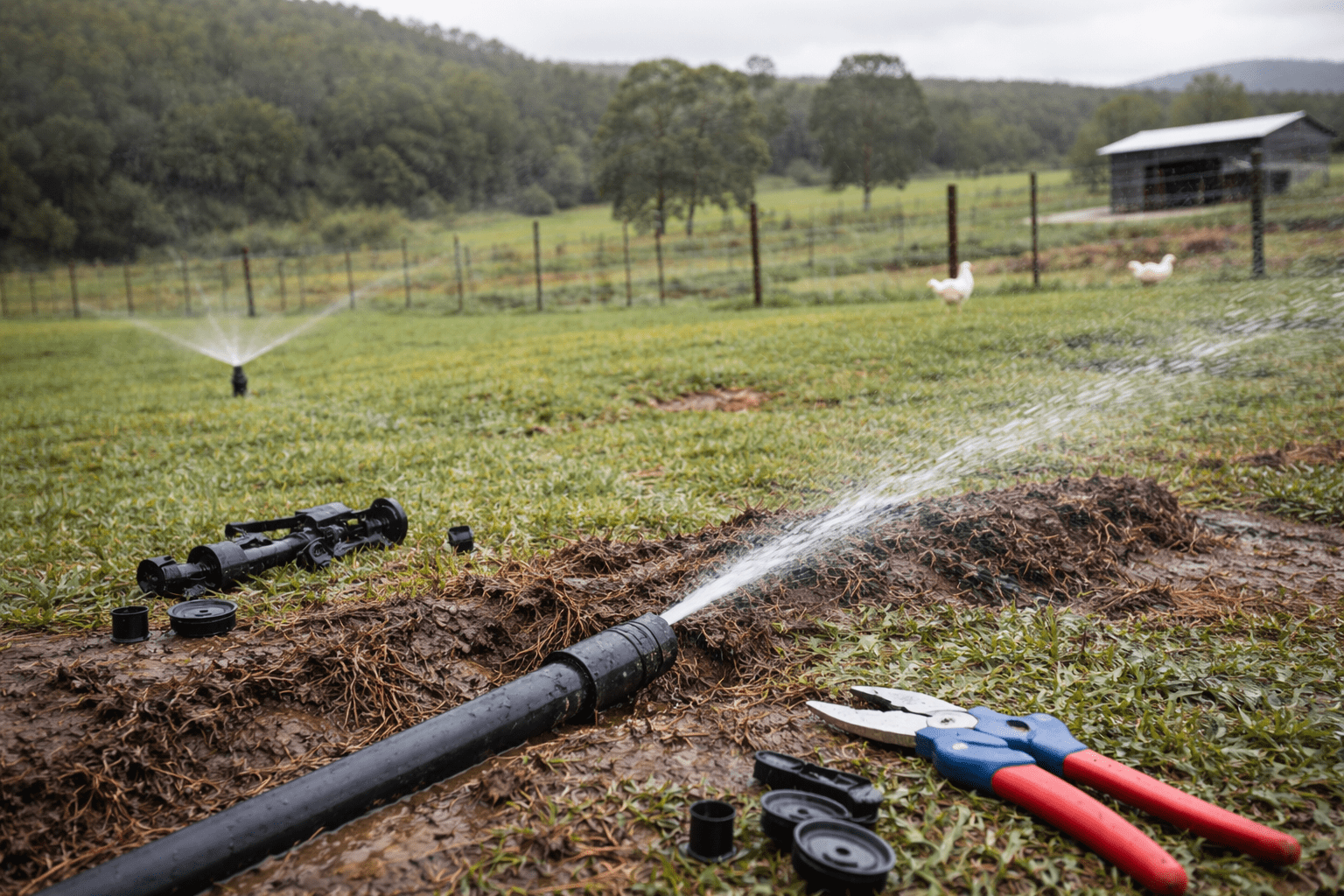
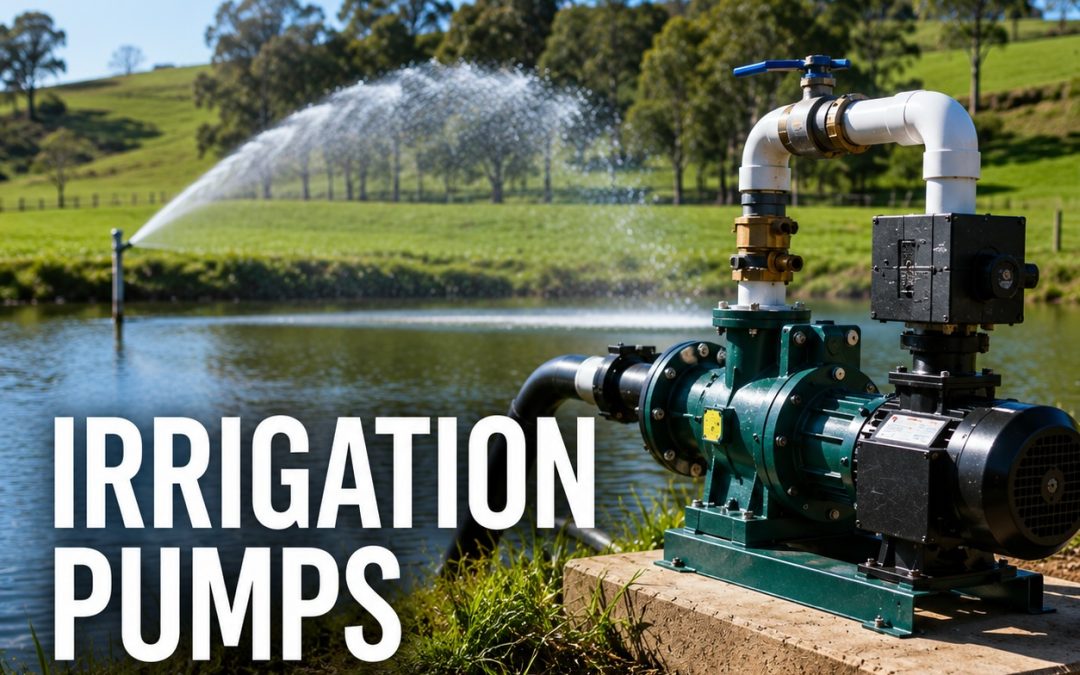
Best Practices for Maintaining Salt Chlorinator Cells in Warwick’s Hard Water

Best Practices for Maintaining Salt Chlorinator Cells in Warwick’s Hard Water

Introduction: The Heart of Your Salt Pool System

If you own a salt pool, you know the salt chlorinator is essential—it quietly produces the chlorine that keeps your water sparkling. To maintain your pool effectively, it’s important to understand the two key parts of the system:

  • The Salt Chlorinator refers to the entire system (the control box, the housing, and the cell).
  • The Salt Cell (or Chlorinator Cell) is the removable working component with the metal plates inside. This part performs the actual job of turning salt into chlorine, and it is the component that requires regular cleaning and replacement.

Your primary goal as a pool owner is to protect that expensive Salt Cell!

The biggest challenge here in the Warwick area is hard water (high calcium build-up) and the intense Queensland summer heat. This environment causes scaling to occur quickly, significantly shortening the cell’s lifespan.

To save money and extend the life of your cell, Lister Irrigation provides the local expertise, Pool Salt, and specialised Cell Cleaners to help you succeed.


The Three Pillars of Salt Cell Longevity

Protecting your salt cell requires consistent, simple checks. Overlooking these three areas is the most common reason for premature cell failure.


1. How Often Should I Inspect and Clean My Salt Cell in Warwick, QLD?

Inland areas such as Warwick often have high Calcium Hardness in the water supply. This causes scale—chalky white mineral deposits—to build up on your cell plates. This scale insulates the plates, stopping the cell from producing chlorine efficiently.

Best Practice: Visually inspect the salt cell every three months during cooler periods. However, during the intense Southern Downs summer, when the unit operates at a higher rate and water is warmer, inspections and cleaning may be needed monthly.

Lister Tip: Bring your water sample to Lister Irrigation. We can check your Calcium Hardness level, which is the most accurate indicator of how often your cell truly needs cleaning.


2. Why Are Balanced pH Levels Crucial for the Cell’s Health?

This is one of the most important chemical balancing acts. The electrolysis process that creates chlorine naturally drives your pool’s pH level higher (making the water more alkaline).

The Risk: If the pH level rises too high (above 7.6), it is the primary cause of calcium rapidly falling out of the water and sticking to the cell plates, leading to severe scaling.

Best Practice: The pH must be consistently maintained between 7.2 and 7.6. Weekly testing and adjustment with pool acid (or pH Down) is essential, especially when the chlorinator is running for long periods in the summer heat. Lister Irrigation supplies all the necessary pool chemicals you need to keep your water chemistry balanced.


3. What is the Ideal Salt Level for Maximising Cell Life?

The salt level is the raw material for your cell. The optimal range for most Australian cells is 2,700 to 3,400 parts per million (ppm).

The Risk: Too little salt forces the cell to work overtime and can damage its protective coating; too much salt can cause corrosion of other equipment.

Local Tip: Heavy rainfall or excessive backwashing can dilute the salt, requiring topping up with quality Pool Salt.


Smart Operation & Troubleshooting (The QLD Difference)

This section covers power-saving tips and solving common operational problems.


1. Does My Chlorinator Need to Run in Warwick’s Cooler Months?

Unlike pools in freezing climates, your Warwick pool still requires sanitiser during the cooler months.

The Answer: Yes, but you can significantly reduce the running time. Reduce the output setting on your chlorinator and run it for only 2–3 hours per day (down from 6–8 hours per day in summer). This conserves power and extends your cell’s life by reducing unnecessary wear.


2. Why Does My Salt Cell Light Say ‘Low Salt’ When I Just Added Salt?

This is a very common troubleshooting issue!

The Answer: The No. 1 reason is a dirty salt cell. Calcium scale or debris has built up, insulating the plates or blocking the sensor, causing the chlorinator to misread the water’s salinity.

Action: If the light is on, clean the cell first before adding more salt.


3. Do I Need a Stabiliser (Cyanuric Acid) for My Salt Pool?

Absolutely, yes for outdoor pools in sunny Queensland. Stabiliser (CYA) acts like sunscreen for your chlorine, stopping the intense sunlight from burning it off within hours. Without it, the chlorine produced by your cell is quickly wasted.

Lister Focus: We can test your water to ensure your CYA levels are correct (usually 30–50 ppm) and supply the necessary product.


The Step-by-Step Guide to Safe Cell Cleaning

Cleaning your salt cell is essential, but it must be done with care to avoid damaging the expensive titanium coating.


How Do I Safely Clean Calcium Scale Off My Salt Cell Plates?

Crucial Warning: Safety first! Always wear safety glasses and protective gloves and work in a well-ventilated area, especially when handling acid cleaners.

Step 1: Power down and remove: Turn off the entire chlorinator system power at the breaker, then remove the salt cell from its housing.

Step 2: Clean with a specialised product: We strongly recommend using a dedicated, specialty Salt Cell Cleaner (available at Lister Irrigation) instead of harsh hydrochloric acid. These cleaners are specifically formulated to be safer for the delicate titanium coating, helping to extend the cell’s lifespan.

Step 3: Soak and Rinse: Explain the process: carefully stand the cell upright, fill it with the cleaner, and let it soak for 10–30 minutes until the bubbling (calcium dissolving) stops. Then, thoroughly rinse with fresh water before reinstalling.

Crucial Rule: Never use anything sharp or metal to scrape the plates!


Frequently Asked Questions (FAQ)


How long should a good-quality salt cell last?

With proper maintenance—especially cleaning and pH balance—a good quality salt cell should last between 3 to 7 years.


How much does a replacement salt cell cost?

The cost varies significantly depending on your pool size and brand. Visit Lister Irrigation at 34 Grafton St, Warwick QLD 4370, Australia with your old cell model so we can match you with the best, most economical replacement cell for your system. Otherwise, send us a message.


How does a salt chlorinator actually work?

It uses electrolysis (an electric current) to break salt apart and produce pure chlorine gas inside the cell, which then sanitises your pool water.


Do I need a stabiliser (CYA) for my salt pool?

Yes, for outdoor pools in sunny QLD. Stabiliser protects the chlorine your cell produces from being destroyed by the sun’s UV rays.


What is the difference between a ‘Chlorinator’ and a ‘Cell’?

The Chlorinator is the entire unit (box and housing). The Cell is the expensive, removable part with the plates that requires cleaning and replacement.


What does ‘Calcium Scaling’ look like?

It is the white, chalky mineral build-up on the metal plates of your cell, caused by hard water and high pH.


What should I do if my chlorinator light says ‘Low Salt’?

The Chlorinator is the entire unit (box and housing). The Cell is the expensive, removable part with the plates that requires cleaning and replacement.


Conclusion: Local Expertise for a Longer Cell Life

Do not let Warwick’s hard water ruin your expensive salt chlorinator cell. Proper maintenance is not just about cleaning—it is about regular water testing and making small chemical adjustments that result in substantial financial savings in the long run.

Ready to ensure sparkling pool water and extend the life of your cell? Contact the local team at Lister Irrigation, or better yet, bring in a water sample today for a free, professional test. We have the right Cell Cleaners, Pool Salt, and expert advice you need.

Buying Pool Supplies in Warwick — A Complete Guide Before You Start

Buying Pool Supplies in Warwick — A Complete Guide Before You Start

Owning a pool brings comfort, especially during hot Queensland days, but it also comes with responsibility. If you are planning to invest in pool supplies Warwick, understanding what you actually need before making a purchase can save you from costly mistakes and ongoing maintenance headaches.

Why Your Choice of Supplier Matters?

When you walk into a store or browse online, it’s easy to assume all pool supplies are the same. In reality, the quality of products and the advice that accompanies them can vary significantly. Choosing a supplier with deep local experience means you’re getting solutions that match Warwick’s climate, water conditions, and lifestyle needs.

That’s why many locals turn to Lister Irrigation and Plumbing Supplies. With over four decades in the industry, the business has built a strong reputation by supporting rural, commercial, and domestic customers with practical water solutions, not just selling products.

Start With Understanding Your Pool Setup

Before buying anything, you should take a close look at your pool. You don’t need technical expertise, just a clear idea of how it’s used.

Ask yourself:

  • How large is your pool?
  • Is it saltwater or chlorine-based?
  • How often do you use it?
  • Is it exposed to leaves, dust, or debris?

For instance, if your pool is located near open land or trees, you’ll likely deal with more debris. That means you’ll need a stronger filtration system and more frequent cleaning compared to a sheltered backyard pool.

The Core Supplies You Should Prioritise

● Pumps: The Heart of Your Pool

Your pump keeps water moving, which prevents stagnation and algae growth. Choosing the wrong size or type can lead to poor circulation or high energy costs.

A properly selected pump should:

  • Match your pool’s size
  • Run efficiently without excessive noise
  • Work seamlessly with your filtration system

Filtration Systems: Clean Water Starts Here

A good filter removes dirt, debris, and microscopic particles. If your filter isn’t doing its job, your pool will quickly turn cloudy.

You’ll want to consider:

  • The type of filter (sand, cartridge, or media)
  • Maintenance requirements
  • Local conditions, such as dust or organic matter

Water Storage and Management

This is something many pool owners overlook. If your water source is inconsistent or you rely on rainwater, storage solutions become important.

Suppliers with irrigation expertise can help you manage water usage more effectively, especially if you maintain gardens, lawns, or larger properties in conjunction with your pool.

Why Does Experience Make a Real Difference?

Getting advice from someone who understands water systems beyond just pools can change how you manage your setup.

With decades of hands-on experience, Wayne Lister has worked on a wide range of projects, from small residential pools to large rural water systems. That kind of background helps you make better decisions—not just quick purchases.

Instead of guessing what might work, you’re guided toward solutions that have already been tested in similar environments.

Think Beyond Individual Products

One of the most common mistakes you can make is buying items separately without considering how they work together.

Your pool operates as a system, not a collection of parts. When your pump, filter, and water management setup are aligned, you’ll notice:

  • Better water clarity
  • Lower maintenance effort
  • Fewer breakdowns

If even one component is mismatched, it can affect everything else.

Common Mistakes You Should Avoid

● Focusing Only on Price

It’s tempting to go for cheaper options, especially when multiple products are involved. However, lower-quality equipment often leads to higher long-term costs due to repairs and replacements.

● Ignoring Water Balance

Clear water doesn’t always mean safe water. Without proper chemical balance, you risk damaging your equipment and creating unhealthy swimming conditions.

● Skipping Regular Maintenance Tools

Basic tools like brushes, vacuums, and testing kits are often underestimated. These items play a key role in keeping your pool in good condition between major cleanings.

Matching Supplies to Warwick Conditions

Warwick’s environment can be demanding. Dust, seasonal changes, and varying water quality all affect how your pool performs.

That’s why working with a local supplier matters. You’re not just buying generic equipment, you are getting recommendations tailored to your surroundings.

For example:

  • Dust-heavy areas may require more frequent filtration cycles
  • Rural properties may benefit from integrated water systems
  • Larger households may need higher-capacity pumps

These aren’t things you always think about upfront, but they make a big difference over time.

Making Smarter Buying Decisions

Before you make a purchase, take a step back and plan. Instead of rushing into buying multiple items, focus on building a setup that works efficiently together.

You’ll benefit from:

  • Longer-lasting equipment
  • Reduced running costs
  • Less time spent troubleshooting issues

And most importantly, you’ll enjoy your pool instead of constantly maintaining it.

FAQs

  • What should you buy first for a new pool?

You should begin with the essentials: a reliable pump, an effective filtration system, and a water testing kit. These form the foundation of your pool’s operation. Without proper circulation and balanced water, even a new pool can quickly develop problems that are expensive to fix.

  • How do you choose the right pool equipment?

You should base your decision on your pool size, usage, and environment. A larger pool or one exposed to debris will need stronger equipment. Getting advice from a local expert helps you avoid mismatched components.

  • Can irrigation systems help with pool management?

Yes, especially if you manage outdoor spaces alongside your pool. Efficient water use, storage, and filtration strategies can support both your pool and surrounding areas, saving time and resources.

  • How often should you upgrade your pool supplies?

You don’t need to replace everything regularly, but you should monitor performance. Pumps and filters can last for years if maintained properly, but signs like reduced efficiency or unusual noise indicate it’s time to act.

When you approach pool ownership with the right preparation, you avoid the trial-and-error that frustrates many first-time buyers. The difference comes down to understanding your needs, choosing the right equipment, and relying on experience that aligns with your local conditions.

If you’re sourcing pool supplies Warwick, choosing the right equipment from the start can directly improve your water quality, reduce running costs, and make pool maintenance easier and more enjoyable.

7 Signs Your Irrigation System Needs Repair or Upgrade

7 Signs Your Irrigation System Needs Repair or Upgrade

A well-functioning irrigation system should do its job quietly in the background: watering your lawn, garden, or crops consistently, efficiently, and without wasting a drop. When something goes wrong, the signs are often gradual enough that they go unnoticed until the problem has been building for weeks.

Whether you’re managing a residential garden in Warwick, a hobby farm in the Southern Downs, or a larger rural property, catching irrigation problems early saves water, money, and the plants or pasture that depend on reliable coverage. Here are the seven most common signs that your irrigation system needs attention, and what each one is likely telling you.

1. Dry or Patchy Areas That Aren’t Getting Better

Why Is Part of My Lawn Always Dry?

Dry patches that persist despite regular watering are one of the clearest signs that something in your irrigation system isn’t working as it should. If water isn’t reaching certain areas, the cause is almost always a distribution problem rather than a weather issue.

The most common culprits include blocked or clogged sprinkler heads that have become restricted by debris or mineral buildup, damaged heads that are no longer operating correctly, or a zone that has lost pressure and is no longer delivering adequate coverage. In some cases, dry patches indicate a design problem where the system was never set up to cover the full area properly in the first place.

In the Southern Downs, where summer heat can stress lawns and crops quickly, an irrigation gap that might be manageable in a cooler climate can cause real damage within days. If you’re seeing persistent dry spots, it’s worth having the system inspected before the problem gets worse.

  • Blocked or worn sprinkler heads not delivering water to the zone
  • Pressure loss in one or more circuits
  • Poor original system design leaving coverage gaps
  • A head that has been knocked out of alignment by mowing or foot traffic

2. Water Pooling or Soggy Areas After Watering

Why Is Water Collecting in the Same Spot Every Time?

Just as dry patches signal too little water reaching an area, persistent pooling tells you that too much water is being concentrated in one spot. This is a waste issue and a plant health issue simultaneously: waterlogged soil starves roots of oxygen and creates conditions for fungal disease, while the water sitting on the surface is evaporating rather than being absorbed where it’s needed.

Pooling is commonly caused by a sprinkler head that is broken and releasing water uncontrollably rather than distributing it as a spray, by pressure that is set too high for the heads in that zone, or by a head that has been set to the wrong angle and is directing water onto a non-absorbent surface rather than into the soil.

Underground leaks can also cause soggy patches. If an area of your garden or lawn is consistently wet even on days when the system isn’t running, there’s a good chance a pipe or fitting underground is leaking. These leaks are not always obvious from the surface, but they waste significant water over time and can erode the soil around your pipes if left unaddressed.

3. Your Water Bill Has Gone Up Without Explanation

Could My Irrigation System Be Causing a Higher Water Bill?

An unexplained increase in your water bill is often the first financial sign that something is wrong with an irrigation system. Even a small leak or inefficiency can accumulate into a significant volume of wasted water across a full billing period.

Underground pipe leaks are a common cause that often goes visually undetected for months, particularly in established gardens where the surface appearance doesn’t change noticeably. Older systems with worn fittings or corroded connections can develop slow leaks at multiple points simultaneously, and the combined waste adds up quickly.

Outdated controllers that are running zones for longer than necessary, or systems that haven’t been adjusted seasonally, are also common culprits. A system running a full summer schedule through winter, or continuing to run during and after rainfall, is wasting water with every cycle.

If your bill has jumped and your water usage habits haven’t changed, having your irrigation system pressure-tested and inspected is a sensible first step. Our pumping solutions and irrigation services cover exactly this kind of diagnostic work.

4. Noticeably Weak or Reduced Water Pressure

Why Are My Sprinklers Not Reaching as Far as They Used To?

If your sprinkler heads are producing a weak dribble rather than a proper arc, or if the spray is falling well short of where it used to reach, you have a pressure problem. Reduced pressure means reduced coverage, and reduced coverage means your plants and lawn are not getting what they need.

Pressure loss in an irrigation system can have several causes. A pipe leak somewhere in the system, even a small one, diverts flow and reduces the pressure available at the heads. Blockages in pipes or fittings, particularly common in areas with hard water or where bore water is used, can restrict flow significantly over time. Pressure regulation issues, where the system’s pressure regulator is set incorrectly or has failed, are another common cause.

In rural properties across the Southern Downs that draw from dams, bores, or rainwater tanks, pump performance degradation over time can also produce symptoms that look like a system problem but are actually a pump problem. If pressure has dropped gradually over a season or two, it’s worth having both the system and the pump assessed together.

5. Damaged, Stuck, or Misaligned Sprinkler Heads

How Do I Know If My Sprinkler Heads Are Damaged?

Sprinkler heads sit at ground level in lawns and garden beds, which means they take a lot of wear from mowing, foot traffic, vehicles, and general garden activity. They’re the most physically exposed part of any irrigation system, and they’re also the most commonly damaged.

A pop-up head that no longer rises fully is either clogged with debris, has a worn or damaged seal, or is stuck in the housing. A head with a cracked body will leak water around its base rather than directing it through the nozzle. A head that has been knocked sideways is spraying in the wrong direction, potentially wasting water on paving or fences while leaving the intended area dry.

Inspecting your sprinkler heads while the system is running gives you the most useful picture. Walk each zone while it’s active and look for heads that aren’t operating correctly. Any head that is leaking, not rising, cracked, or directing spray in the wrong direction should be replaced. Sprinkler heads are relatively inexpensive components, and replacing a damaged head is one of the quickest wins available in irrigation maintenance.

  • Heads that don’t fully pop up or retract
  • Cracked bodies or visible leaks around the base
  • Spray patterns that are visibly off-angle or uneven
  • Heads that spin erratically or produce a broken spray

6. An Outdated System with No Automation or Smart Controls

Is It Worth Upgrading to an Automated Irrigation Controller?

Older irrigation systems that run on manual timers, or worse, require someone to physically turn them on and off, are almost always delivering water less efficiently than a modern automated system would. The technology available today compared to even ten years ago is significantly better in terms of water efficiency, flexibility, and ease of management.

Modern irrigation controllers allow you to set different schedules for different zones, adjust run times seasonally, and in the more advanced models, connect to weather data so the system automatically reduces or skips watering cycles after rainfall or when humidity is high. For residential properties, this kind of automation takes the guesswork out of irrigation management entirely. For larger rural and agricultural properties, smart control can make a meaningful difference to both water use and operating costs over a full season.

If your current system has no controller at all, runs a single schedule across all zones regardless of their different water requirements, or requires you to manually manage watering, it’s almost certainly using more water than necessary. An upgrade to a programmable or smart controller is one of the most cost-effective improvements available to any irrigation system. You can explore the options available through our centre pivot automation and irrigation control services.

7. The System Runs the Same Schedule All Year Round

Should My Irrigation Schedule Change with the Seasons?

This is one of the most common and easily fixed inefficiencies we see in irrigation systems across the Southern Downs region. A system set up in January for peak summer conditions and never adjusted will be significantly overwatering through the cooler, wetter months, and may be underperforming during an unexpectedly dry spring or autumn period.

In the Warwick region, where seasonal variation is significant and drought conditions can arrive quickly, an irrigation system needs to respond to actual conditions rather than running a fixed programme regardless of what the weather is doing. Overwatering during winter encourages shallow root systems that are less resilient when summer heat arrives. Underwatering during an unexpected dry spell causes preventable stress to plants, lawns, and crops.

The solution is either regular manual adjustment of your controller as seasons change, or upgrading to a smart controller that can make those adjustments automatically based on temperature, rainfall, and evaporation data. Either way, a seasonal review of your irrigation schedule is one of the simplest things you can do to improve the performance of your system and reduce water waste.

Should You Repair or Upgrade Your Irrigation System?

Once you’ve identified a problem, the question becomes whether it makes more sense to repair the existing system or invest in an upgrade. The answer depends on a few key factors.

Repair is usually the right call when:

  • The system is relatively new and the problem is isolated to one or two components
  • The issue is a damaged head, a minor leak, or a blocked nozzle
  • The overall design and coverage of the system is sound

An upgrade makes more sense when:

  • The system is old and recurring problems are becoming a regular maintenance burden
  • The coverage design no longer suits the landscape as it has grown and changed
  • There is no automation and water bills reflect the inefficiency
  • You’ve expanded your property or changed what you’re growing and the existing system can’t keep up

In many cases, a partial upgrade is the most practical approach: keeping the pipe infrastructure that is still sound while replacing heads, controllers, and fittings with modern, more efficient equivalents. A proper assessment by an irrigation specialist is the best way to determine what makes sense for your specific situation.

Frequently Asked Questions

How do I know if my irrigation system is wasting water?

The most common indicators are a higher than expected water bill, visible pooling or soggy areas in your garden, and dry patches that persist despite the system running. If any of these are present, it’s worth having a professional inspect the system for leaks, blockages, or pressure issues. Even small leaks can waste thousands of litres over a billing period.

Should I repair or replace my irrigation system?

If the system is relatively new and the issue is isolated, repair is usually the more cost-effective option. If the system is old, frequently causing problems, or significantly inefficient by modern standards, upgrading all or part of the system will often deliver better long-term value. An inspection by an experienced irrigation specialist will give you an honest assessment of which path makes sense for your setup.

How often should an irrigation system be checked?

A thorough inspection at least once a year is a good baseline for most residential and rural properties. The best time to do this is before your peak watering season begins, so any problems can be identified and resolved before you’re relying heavily on the system. For larger agricultural or commercial systems, more frequent checks are advisable.

Can a new irrigation system reduce my water bills?

Yes, significantly in most cases. Modern irrigation systems with smart controllers, pressure regulation, and correctly specified heads and nozzles are designed to deliver the right amount of water to the right areas without waste. Properties upgrading from older, unregulated systems often see a noticeable reduction in water use from the first billing period.

My system runs but some areas are always dry. What should I check first?

Start by running each zone individually and walking the area while it’s active. Look for heads that aren’t popping up, spray patterns that look uneven or weak, or heads that are clearly pointed in the wrong direction. If all heads appear to be working but coverage is still inconsistent, a pressure or flow issue in that zone may be the cause, which is worth having inspected by a professional.

Does Lister Irrigation service rural and agricultural properties as well as residential?

Yes. Lister Irrigation works with residential, rural, and agricultural clients across Warwick and the broader Southern Downs region. From home garden irrigation to large-scale farm water systems, bore pumps, and centre pivot automation, we have the expertise and local knowledge to help with the full range of irrigation challenges specific to this part of Queensland.

Keep Your Irrigation System Working for You

An irrigation system that isn’t performing properly costs you water, money, and the health of everything that depends on it. Whether you’re dealing with a dry patch that won’t recover, a water bill that keeps climbing, or a system that simply hasn’t been looked at in years, the right starting point is a proper inspection by someone who knows what to look for.

At Lister Irrigation, we’ve been helping homeowners, farmers, and businesses across the Southern Downs keep their water systems running efficiently for years. We offer honest advice, practical solutions, and the local knowledge that comes from working in this region day in and day out.

If your irrigation system is showing any of the signs above, get in touch with our team today to arrange an inspection or discuss what your system needs.